

 By
By A New Wave of Musical Identity
Across India, a new generation of musicians is reshaping how traditional sounds are experienced. From ancient folk rhythms to classical ragas, Indian artists are blending their roots with genres like electronic, jazz, hip-hop, and ambient music. This cultural convergence has given rise to a growing number of fusion music collectives, redefining how Indian music is composed, performed, and shared.
Unlike conventional bands, these collectives often operate as fluid artistic communities. Members come from diverse linguistic, regional, and musical backgrounds, which allows for experimentation without the constraints of genre or commercial formula. Many of these groups are driven by a shared vision to create music that is not only sonically innovative but also socially reflective.
From Local Folk to Global Stages
Groups like The Indian Jam Project, Advaita, Maati Baani, and Shadow and Light are spearheading this movement.
The Indian Jam Project, led by Tushar Lall, is widely known for reinterpreting iconic film and television scores using Indian classical instrumentation. Their covers of themes from Game of Thrones, Interstellar, and Sherlock have gained international recognition, highlighting how Indian instruments can lend emotional and cinematic depth to global compositions.
Advaita, based in New Delhi, is known for its blend of Hindustani classical music with ambient rock and electronic textures. The band’s signature sound relies heavily on sarangi, tabla, and strong vocal harmonies—bridging Sufi influences with contemporary production. Their critically acclaimed album Grounded in Space showcases their ability to move seamlessly between worlds.
Maati Baani, the husband-wife duo of Nirali Kartik and Kartik Shah, brings together folk music from across India and the world, integrating it with funk, reggae, and jazz. Their multilingual collaborations span artists from over 20 countries, and their colorful videos often reflect a deep commitment to cultural storytelling and inclusivity.
Shadow and Light, founded by Anindo Bose and Pavithra Chari, is known for its soulful blend of Hindustani classical, jazz, and electronica. The duo’s music explores introspective themes and showcases a nuanced balance between tradition and innovation. Their work has been featured on platforms like NPR, BBC Asian Network, and MTV Coke Studio.
Other notable collectives and artists include Lagori, known for fusing Kannada folk with rock; Agam, a band rooted in Carnatic traditions merged with progressive rock; When Chai Met Toast, a Kerala-based band mixing indie-folk and multilingual lyrics; and Parekh & Singh, whose dream-pop sensibility meets retro aesthetics with lyrical sophistication.
Their performances span from small cultural venues to international festivals. Whether it’s the serene valleys of the Ziro Festival in Arunachal Pradesh or major global stages like Glastonbury, Indian fusion collectives are being embraced for their originality and authenticity. Their presence on platforms like YouTube, Spotify, and Instagram further amplifies their reach, allowing them to cultivate loyal audiences beyond geographical borders.
Collaborations with international artists have become increasingly common, leading to genre-defying tracks that resonate across cultures. Many collectives have also composed for films, web series, and documentaries, using music as a tool for storytelling that crosses both aesthetic and linguistic lines.
A Reflection of Modern India
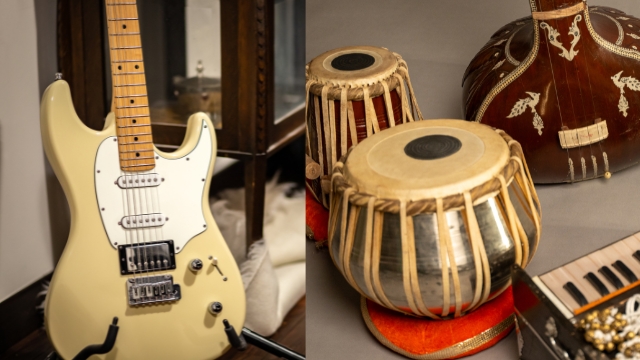
This rise of fusion collectives mirrors the reality of modern India—multilingual, hybrid, deeply aware of its past but unafraid of the future. Many artists take inspiration from regional languages and folk tales, using traditional instrumentation such as the tabla, sitar, sarangi, and ektara, while incorporating global influences like synth, bass guitar, loop machines, and digital sampling.
The resulting music is as layered as the society that inspires it. Songs explore complex themes like caste inequality, migration, mental health, gender identity, and ecological loss, speaking directly to India’s socially conscious youth. This evolving soundscape has become a space for reflection, protest, celebration, and experimentation.
Challenges and Innovation
While the movement is thriving, it faces hurdles. Financial sustainability remains a concern. Unlike mainstream Bollywood or commercial pop, fusion music struggles for widespread media coverage and lacks the same level of institutional support. Venues that cater to live, independent performances are limited, especially in smaller cities.
In addition, fusion musicians often navigate a fragmented audience base. While some listeners are drawn to the traditional elements, others expect a more polished, mainstream sound. Striking this balance without compromising on authenticity is a continual artistic challenge.
Another pressing issue is the lack of formal infrastructure for training in fusion genres. Most conservatories and music institutions in India continue to segregate classical and contemporary streams, offering little academic support for those interested in hybrid musical forms.
Despite these obstacles, these challenges have fostered innovation. Many collectives have turned to crowdfunding, direct fan engagement, and merchandise sales. Some have collaborated with NGOs and cultural foundations to produce socially-driven projects that blend activism and art. Others are integrating technology to produce and distribute music independently, bypassing traditional gatekeepers.
Visual storytelling has also become integral. Artists pair their music with immersive videos, animations, and stagecraft to enhance the live experience. This multi-sensory approach has not only drawn new listeners but has also created a brand identity around the fusion aesthetic.
Looking Ahead
As India’s cultural landscape continues to evolve, fusion music collectives are poised to play a pivotal role in shaping the nation’s sonic identity. Their ability to bridge generational gaps, speak across linguistic divides, and blend artistry with activism marks them as more than just musical projects—they are cultural movements.
In an era of globalization, where audiences crave content that is both rooted and innovative, these artists are showing how India’s folk and classical traditions can evolve without losing their essence. Their work is also building bridges between rural and urban audiences, and between India and the world, inviting collaboration and dialogue across borders.
With global attention turning toward South Asia’s creative sectors, and younger audiences increasingly drawn to authentic, layered storytelling, the future of Indian fusion music looks not only bright—but boundless. As technology democratizes music production and discovery, these collectives are set to redefine what it means to make—and listen to—Indian music in the 21st century. Their continued growth promises to not only preserve India’s diverse musical legacy but to transform it into something new, vital, and globally resonant.