

 By
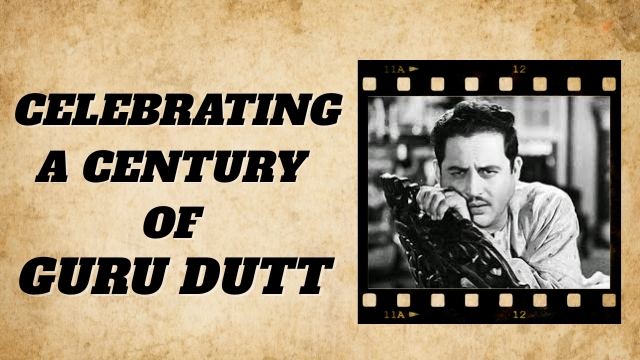
By New Delhi, July 2025 — Marking the 100th birth anniversary of one of India’s most revered filmmakers, Guru Dutt, the Film and Television Institute of India (FTII) has initiated a centenary tribute through a two-day film appreciation course titled “Songs in Guru Dutt Films.” The event, held at the culturally significant Triveni Kala Sangam in Delhi, offered a thoughtful exploration of Guru Dutt’s unmatched contribution to musical storytelling in Indian cinema.
Honouring an Icon of Indian Cinema
Guru Dutt’s influence on Indian filmmaking remains unparalleled. Renowned for his ability to weave music seamlessly into narrative cinema, his classics such as Pyaasa, Kaagaz Ke Phool, Baazi, and Sahib Biwi Aur Ghulam are not just films, but lyrical compositions in motion. These works showcased an emotional and artistic depth that has rarely been replicated.
Guru Dutt’s films consistently delved into themes of personal anguish, social inequality, and spiritual yearning. These themes, while rooted in mid-20th-century India, continue to resonate with audiences today. At the heart of many of these stories was music—not used merely for entertainment, but as a vital storytelling device. Through the careful use of song lyrics, melody, and visuals, Guru Dutt offered viewers a deeper insight into the inner lives of his characters.
His collaborations with legends like lyricist Sahir Ludhianvi, composer S.D. Burman, and vocalist Mohammed Rafi produced some of the most poignant and enduring songs in the history of Hindi film music. These musical pieces were deeply integrated into the plot, often conveying inner turmoil, unspoken desires, and social critique. Songs such as “Jaane Woh Kaise Log The” and “Waqt Ne Kiya Kya Haseen Sitam” remain timeless expressions of human emotion.
The FTII Course: An Academic Tribute
Conducted by FTII faculty member Dr. Milind Damle, the workshop brought together close to 50 participants, including students, researchers, film critics, and independent filmmakers. The sessions provided an academic yet emotionally resonant examination of Guru Dutt’s musical aesthetics and his unique ability to use song sequences as narrative devices.
Held over two days, the course was designed to help attendees understand not just the technical aspects of film music, but also its philosophical and emotional implications. Discussions were enriched with audio-visual excerpts, historical context, and interactive analyses of song sequences. The course emphasized the deliberate choices Dutt made in terms of lighting, framing, camera movement, and actor performance to enhance the lyrical impact of each song.
The choice of Triveni Kala Sangam as the venue added a layer of historical relevance. Founded by Sundari K. Shridharani, a fellow student of Guru Dutt at Uday Shankar’s institution in Almora, the venue stands as a tribute to India’s artistic evolution and cultural memory. Hosting the event in such a space reinforced the atmosphere of creative reverence and intellectual inquiry.
Cultural Resonance and Contemporary Relevance
The FTII event did more than commemorate a legendary filmmaker. It served as a cultural reflection point, highlighting the need to revisit and critically engage with the foundational pillars of Indian cinema. Guru Dutt’s ability to express complex emotions through song remains relevant in an age dominated by fast-paced storytelling and commercially-driven soundtracks.
Participants noted the contrast between Guru Dutt’s use of music and the contemporary trend of treating songs as promotional tools rather than narrative elements. The workshop encouraged attendees to think critically about the current state of music in Indian films and to consider how Dutt’s approach could inspire more meaningful integration of sound and story.
The course illustrated how Guru Dutt’s films anticipated modern themes of existential anxiety and identity. His protagonists often wrestled with the pressures of society, the burden of creativity, and the pain of unfulfilled desires. Music provided a voice to these inner struggles, resonating with today’s audiences who face similar emotional landscapes.
Extending the Legacy
This course is part of a broader series of celebrations organized by FTII throughout the year. Plans are underway for similar sessions at FTII’s Pune campus in August, along with curated retrospectives, public screenings, and academic panel discussions. These events aim to not only honour Guru Dutt’s cinematic genius but also to foster a renewed appreciation for film as an interdisciplinary art form.
FTII’s initiative also reflects a growing recognition of the need to preserve India’s cinematic heritage. With many classic films being restored and digitized, there is a renewed interest in studying the techniques, themes, and innovations of early filmmakers. Guru Dutt’s work offers rich material for such exploration, providing insight into the evolution of visual storytelling and the role of music as a narrative device.
Additionally, the event aligns with a broader cultural movement among younger Indians who are turning to vintage Bollywood for inspiration and identity. Streaming platforms, music archives, and film festivals have made it easier than ever for new audiences to discover and appreciate the artistry of filmmakers like Guru Dutt. FTII’s educational programs serve to bridge this generational gap, ensuring that the legacy of the past informs the creativity of the future.
In celebrating one hundred years of Guru Dutt, FTII has not only honored a cinematic master but has also reinvigorated a conversation about the role of music in film narrative. Through education, critical appreciation, and cultural remembrance, this tribute serves as a reminder of why Guru Dutt’s artistry continues to captivate hearts and inspire filmmakers across generations.
As the centenary celebrations continue, there is hope that more institutions will follow FTII’s lead in creating spaces for reflection and learning. Guru Dutt’s legacy is not merely to be remembered but to be studied and appreciated by those who seek to create art that resonates beyond the screen. Through initiatives like these, his voice—quiet, poetic, and profoundly human—will continue to echo in the world of cinema.